
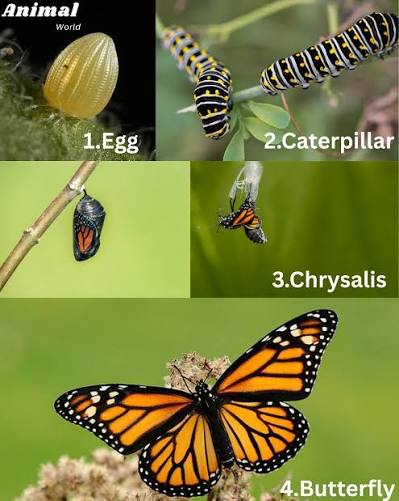
Transformation and the Butterfly
I remember a biology teacher who had butterflies displayed in glass encasements. I was mesmerised. He explained the stages of a butterfly’s life cycle, and one day I found a caterpillar in the school garden. I placed it in a cardboard box filled with leaves and watched it transform into a pupa.
At first, I thought it had died. I was saddened and blamed myself for killing it. My teacher gently explained that it was not dead, but changing into a butterfly, and that transformation takes time. Eventually, I watched it emerge as a white butterfly and fly away.
In that moment, I understood something simple: change is not loss but freedom.
Psychology speaks of individuation, rewiring, and altering negative thought patterns. And change, as I see it, is about becoming free.
Yet many people fear change because they fear losing their identity. What is familiar can feel safer than what is unknown, even when it is painful.
Personally, I see “stuckness” as the opposite of transformation.
A biblical story comes to mind: a man who lay beside healing waters for thirty-eight years. When Jesus asked if he wanted to be healed, he did not step forward — he explained why others had failed him.
The story speaks to how easily we can become attached to our “stuckness.”
Transformation is rarely simple as we are creatures of habit.
Yet transformation often is a small step toward a different path. In many ways, it is a choice.
I think of transformation in four stages:
Circumstance: Where we find ourselves in life, shaped by history and context.
Crisis: The moment something can no longer stay the same.
Challenge: The questioning of identity, beliefs, and direction.
Change: The difficult decisions that shift how we live.
This can be seen in lived experience.
A person grows up in a dysfunctional family environment. Over time, this becomes a crisis, especially when there is love for family but no ability to change a relationship affected by substance use disorder.
As they begin to spend more time outside the home, a new challenge emerges. The outside world offers relief, but also difficulty, as peers are involved in substance use. The question becomes unavoidable: Is this who I want to become? Can I keep blaming my parents? What are my priorities?
Eventually, something shifts. Change begins when the person takes responsibility for their own life, seeks support, and starts to step away from patterns that no longer serve them.
In this way, transformation is not instantaneous but evolving over time.
In essence, transformation is a process that frees.